The Goal Is Weight Loss
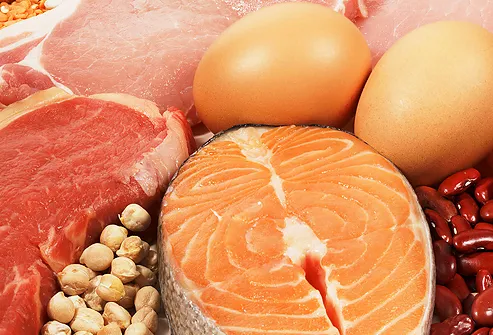
High-protein diets take a page from the low-carb craze. The goal is to lose weight by eating more protein-packed foods, which often means consuming fewer carbohydrates. The portion of total calories derived from protein is what defines a high-protein diet. In a typical diet 10%-15% of daily calories come from protein. In a high-protein diet, this number can be as high as 30%-50%.
How Do High-Protein Diets Work?
Besides curbing appetites, high-protein diets may also change a person's metabolism. When carbohydrates are severely restricted, the body begins burning its own fat for fuel -- a state called ketosis. Ketosis may shed weight, but it's also associated with headaches, irritability, nausea, kidney trouble, and heart palpitations.
Starting a High-Protein Diet
High-protein diets come in many forms, and not all are created equal. The most nutritious high-protein plans are low in fat and moderate in carbohydrates, rather than high in fat and low in carbohydrates. The following slides present a variety of foods that fit the high-protein diet bill.
Say Hello to High-Protein Steak
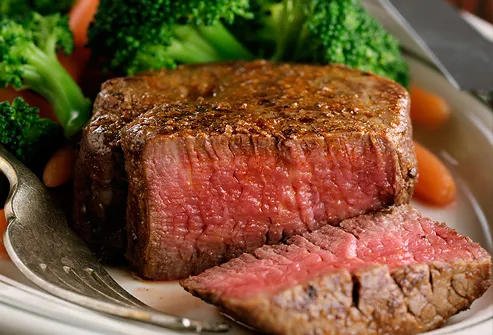
Nothing says protein like a nice juicy steak. And if you're careful to choose a lean cut, you can get all of the protein with far less fat. In fact, a lean cut of beef has barely more saturated fat than a similar size of skinless chicken breast.
Think White Meat
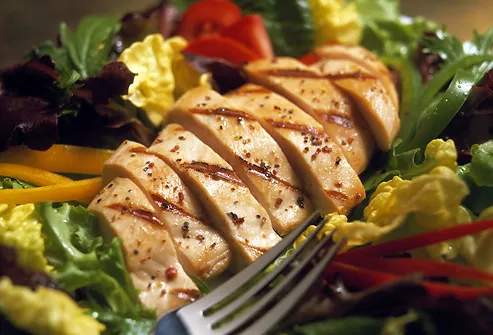
Chicken and poultry pack plenty of punch in a high-protein diet, and if you enjoy the white meat you’ll be eating a lot less fat than if you choose dark. To slim your meal down even further, remove the skin, which is bursting with saturated fat.
Lots of Protein, Healthy Fats
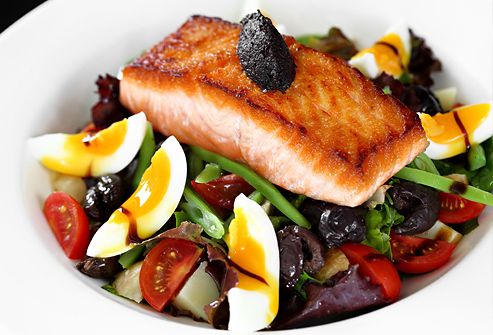
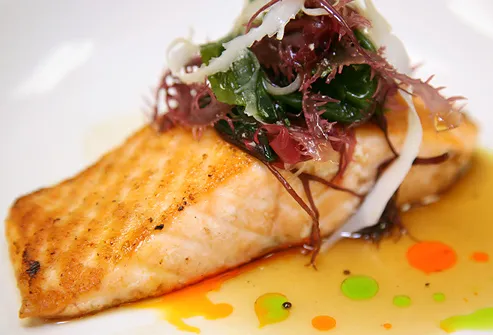
Fish is a no-brainer -- it's loaded with protein and almost always low in fat. Even the types that have more fat, such as salmon, are a good choice. That's because the fat in fish is generally the heart-healthy kind known as omega-3 fatty acid -- and most diets don't contain enough of this good-for-you fat.
Affordable, Convenient, and Tasty
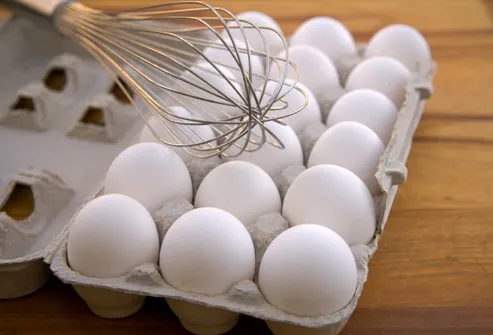
Eggs are perhaps the most classic and certainly least expensive form of protein. The American Heart Association says an egg a day is safe for healthy adults, so you may want to get cracking with eggs when you're on a high-protein diet. If you're concerned about the fat and cholesterol, egg whites are a good substitute and a heart-healthy source of protein.
Soy: It's High in Protein, Too
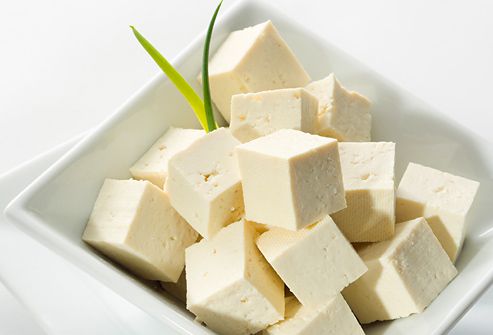
Soy products, such as tofu, soy burgers, and other soy-based foods, are nutritious plant-based sources of protein. An added bonus: Consuming 25 grams of soy protein daily may also help lower cholesterol and protect against heart disease.
Beans: Full of Fiber and Protein
Beans pack a powerful one-two punch -- they are loaded with protein and also full of fiber. Along with protein, fiber helps you feel full longer and also helps lower cholesterol. As for the protein content, 1-1/2 cups of beans is roughly equal to 3 ounces of broiled steak.

Low-Fat Milk Products
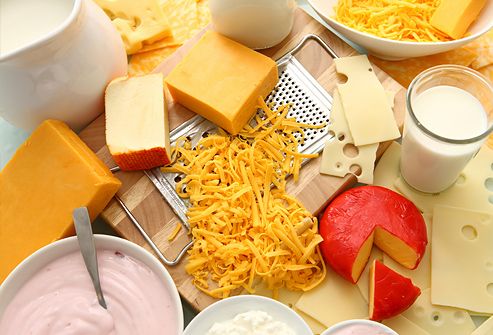
If you want to give your high-protein diet a tasty boost, don’t overlook dairy products as a protein source. Milk, cheese, and yogurt are not only protein-rich, they also provide calcium for strong bones and a healthy heart. Look for low-fat, nonfat or reduce fat dairy products as part of a reduced calorie diet plan.
Cereal and Energy Bars
Pressed for time? You can turn to high-protein cereal or energy bars to give your high-protein diet a fast boost. Just make sure the bars you choose have 25-40 grams of carbohydrates, less than 15 grams of protein, and not too much sugar or fat.

Go Whole Grains, Go Fiber
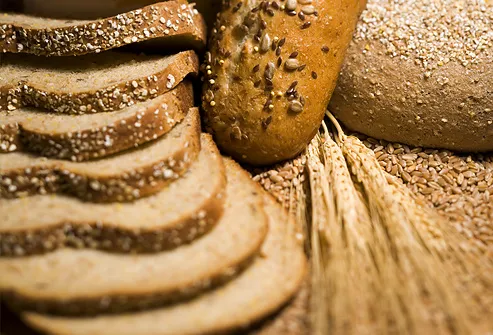
Most high-protein diets limit grains to a couple servings a day, so you want to make sure the grains you do eat are pulling their weight. That means staying clear of white breads and pastas, which have little to offer nutrient-wise, when compared with their whole-grain cousins. Whole-grain breads, cereals, and pastas, on the other hand, are rich in fiber, which might otherwise be in short supply for people on a high-protein diet.
Leave Room for Fruits and Veggies
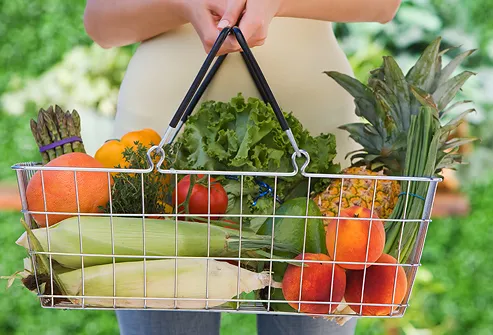
No matter the emphasis on protein, make sure you leave room for fruits and vegetables in a high-protein diet. These nutrient gold mines contain powerful antioxidants that aren't found in most other foods, and research suggests that people who eat plenty of fruits and veggies may lower their risk of cancer.
A Diet That's Easy to Love
High-protein diets may help people lose weight -- at least in the short term -- because dieters tend to feel full longer when they eat more protein. This alone can cut down on snacking and lead to fairly rapid weight loss. Combine speedy weight loss with the satisfaction of feeling full, and it's easy to understand why high-protein diets are popular. Unfortunately, many people gain back the weight once the diet ends.
More Protein, More Risks?
The medical community has raised many concerns about high-protein diets. These diets often boost protein intake at the expense of fruits and vegetables, so dieters miss out on disease-fighting nutrients -- which may raise their risk of cancer. Other potential health risks when high protein diets are used long term include high cholesterol, heart disease, osteoporosis, and kidney disease.
More Saturated Fat, Less Fiber
Many high-protein diets are high in saturated fat and low in fiber. This combination can increase cholesterol levels and raise the risk of heart disease and stroke. The American Heart Association does not recommend high-protein diets for weight loss.
Losing Calcium
People on high-protein diets excrete more calcium through their urine than do those not on a high-protein diet. If a person sticks to a high-protein diet long term, the loss of calcium could raise their risk of developing osteoporosis.
Protein May Affect Kidney Function
People with kidney disease should consult a doctor before starting a high-protein diet. Research suggests people with impaired kidneys may lose kidney function more rapidly if they eat excessive amounts of protein -- especially animal protein.
High-Protein Diets: Still Questions
There are no long-term studies of high-protein diets, so their ultimate health impact is unknown. But the experts are sure of one thing: The formula for permanent weight loss is a healthy lifestyle. This includes eating nutritious, low-calorie foods and participating in regular physical activity. Note: Check with your health care provider before making major dietary changes.
Source: WebMD
If you work HARD for your money (and I know you do) you don’t like to see it wasted, right?
ReplyDeleteThere’s no shortage of ways to waste your money that I am sure you are already aware of but the ONE area most people don’t realize they are wasting their money is in the food they eat.
That’s right.
Are you 100% certain that your body is making the most of all the food and more importantly protein you consume each day?
Wouldn’t you want to have confirmation on this?
There are many indicators that your body will use to tell you if the foods you are eating is being wasted or not.
You can read up more on this topic on the following page:
? Make sure you are ABSORBING the foods you eat, ok?
Protein isn’t cheap whether it’s coming from food or shakes.
But, did you know that every day you don’t consume a very specific type of enzyme, you are actually wasting money on the protein you’re buying from food and shakes?
No protein means no growth PERIOD
? How to ABSORB all your protein and stop wasting money
Even if you are doing everything right…
Eating clean? CHECK!
Eating organic? CHECK!
5-6 meals a day? DOUBLE CHECK!
Protein shakes, vitamins and supplement minerals? CHECK MATE!
But one of the harsh realities I’ve learned from peak performance expert Wade Lightheart is this:
Most of the protein individuals consume ends up in one of two places.
One is your toilet bowl.
And the second place is in a nice layer of sludge somewhere in your digestive tract.
So in theory, it’s a nice idea to think that if you are following the “Golden Rules” that have been laid out for you, you are on the right track.
BUT if you can’t properly utilize those foods, all that effort adds up to one GIANT-SIZED WASTE OF MONEY AND EFFORT.
So what’s happening and why isn’t this being talked about so much?
The industry is SLOWLY starting to realize this harsh truth but they are still WAY behind and struggling to catch up.
Fact is, our bodies require ENZYMES to perform at their best.
Enzymes are responsible for everything from “thinking to blinking” which also includes energy production, cell repair and recovery and even immune boosting advantages.
The BAD NEWS is that our bodies only have a limited enzyme-producing capacity which naturally declines as we age (your enzyme potential can drop to only 30% by the time you reach the age of 40).
And yes, our bodies CAN produce enzymes and yes there are enzymes in the foods you eat BUT they still don’t add up to the required amount you actually need.
This is due to many contributing factors including HOW our foods are grown or produced these days, HOW they are transported and HOW we prepare those foods.
And research demonstrates that ANY FOOD HEATED ABOVE 114 DEGREES FAHRENHEIT LOSES ALL OF ITS ENZYMES.
In other words, all cooked food is deficient in digestive enzymes, leaving very little to break down your food.
? Yes I’d like to know more about restoring enzyme production
PS. Before rushing out the door to go and get digestive enzymes from your local stores, remember this…
Learn more about this formulation
? MassZymes digestive enzymes